Are Promotional Products Worth It? Measuring the Return on Your Marketing Investment
Are Promotional Products Worth It? Measuring the Return on Your Marketing Investment
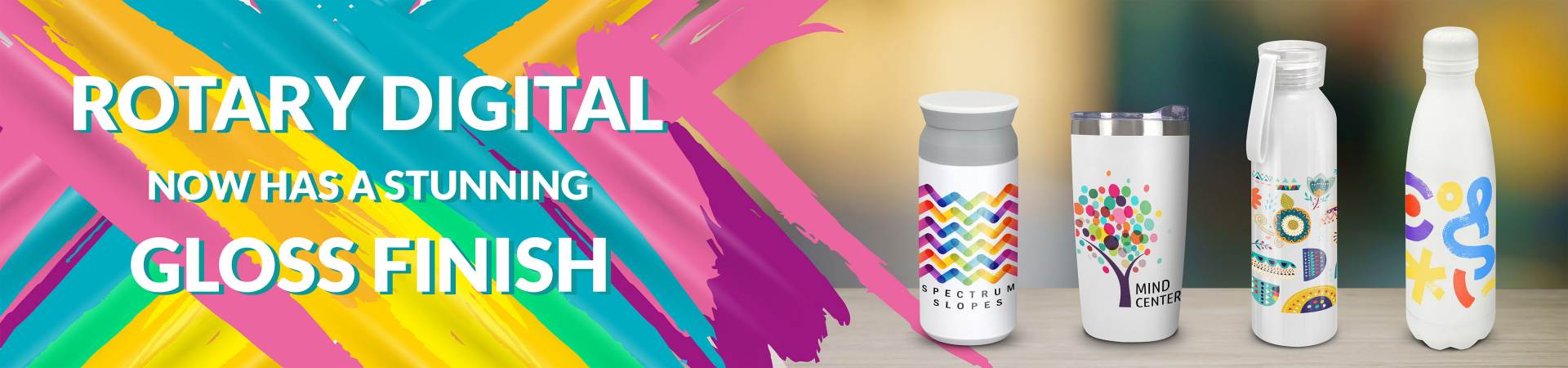
Promotional products deliver strong returns when their ROI is measured properly, often outperforming digital ads through sustained brand exposure and tangible engagement.ROI calculation reveals that items like pens, drinkware, and cooler bags can generate impressions worth far more than their cost, with formulas showing returns of 300% or higher in many campaigns[2][4].
Why Promotional Products Deserve a Spot in Your Marketing Mix
Businesses invest in promotional products for their longevity—unlike fleeting digital ads, a branded mug or pen keeps your logo in front of customers for months or years. Studies show these items boost brand recall by up to 85% and drive sales lifts through repeated exposure[4]. For Australian brands seeking custom solutions, sites like https://bespokemerchandise.com.au offer everything from conference merchandise to outdoor gear tailored for maximum impact.
The value lies in both tangible and intangible benefits. Tangibly, they increase website traffic and conversions; intangibly, they build loyalty and recognition. But without measurement, you're guessing. Proper ROI measurement turns "nice-to-have" swag into a proven revenue driver[4].
The Core Formula for Calculating Promotional Products ROI
Start with the standard marketing ROI equation: ROI = (Revenue Generated - Marketing Cost) / Marketing Cost × 100[2][3][5]. For promotional products, "revenue generated" includes sales from tracked leads, while costs cover production, distribution, and any hidden expenses like design fees.
Example: Spend $2,000 on 1,000 branded pens at $2 each. If they drive $10,000 in attributed sales, ROI = ($10,000 - $2,000) / $2,000 × 100 = 400%. This means $4 returned per dollar invested[2]. Adjust for complexity by factoring in incremental volume—sales pulled from competitors or new category buyers[1].
Key Components of the Equation
- Sales Growth or Net Profit Impact: Track revenue directly tied to the campaign via unique promo codes, QR codes on items, or UTM links[4].
- Total Costs: Include production, shipping, slot fees for events, and "hidden" costs like cannibalization of full-price sales[1].
- Impressions and Cost-Per-Impression (CPI): Divide total spend by estimated views (e.g., $1,000 spend yielding 100,000 impressions = $0.01 CPI)[8]. High-quality items like promotional cooler bags excel here, used repeatedly at events or picnics.
For eco-conscious brands, opt for sustainable options. Explore eco friendly promotional products that align with values while delivering measurable exposure.
Essential Metrics to Track for Accurate ROI
Don't rely on revenue alone—layer in mid-funnel metrics for a holistic view[2]. Use tools like Google Analytics, CRM software, or custom surveys to monitor performance[2][3].
| Metric | Description | Example for Promotional Products |
|---|---|---|
| Conversion Rate | (Conversions / Impressions or Visitors) × 100 | QR scans on drink bottles leading to 5% site sign-ups[2]. |
| Cost Per Lead (CPL) | Total Cost / Leads Generated | $500 campaign yields 50 leads = $10 CPL[2]. |
| Customer Lifetime Value (CLV) | Avg. Purchase Value × Frequency × Lifespan | Branded tote user returns 3x yearly, worth $300 CLV[3]. |
| Customer Acquisition Cost (CAC) | Total Spend / New Customers | Event swag acquires 20 clients for $1,000 = $50 CAC[3]. |
Website analytics shine for digital tie-ins: Track traffic spikes post-distribution and behavior like time-on-site[4]. For promotional products, set campaign-specific goals upfront, such as "boost event attendance by 20%" or "increase repeat sales by 15%."
Real-World Examples: ROI Wins with Swag
Consider a conference where branded cooler bags were handed out. Attendees used them daily, scanning QR codes for offers—resulting in 300% ROI via tracked redemptions[4]. Another case: Eco-friendly pens distributed at trade shows generated 500 leads at $4 CPL, far below industry averages[2].
Compare bags for campaigns in our detailed guide on choosing between cooler bags and totes, or see how seven strategies amplify returns beyond basic swag.
Overcoming Common Measurement Challenges
Attribution is tricky—did that sale come from the pen or an email? Use multi-touch models: linear attribution spreads credit across touchpoints[6]. Baseline pre-campaign data against post-campaign lifts to isolate impact[1].
For B2B, factor in long sales cycles with metrics like product adoption or service utilization[6]. Hidden costs? Account for trade-downs (buyers opting for cheaper items) and slot fees[1].
Best Practices for Maximizing and Proving ROI
- Set Clear Objectives: Brand awareness? Track impressions. Sales? Use promo codes[4].
- Choose High-Utility Items: Drinkware or bags get 2-3x more impressions than flyers[4].
- Leverage Tech: Embed NFC chips or QR codes for direct tracking[4].
- Test and Iterate: A/B test designs; refine based on CPI and CLV[7].
- Calculate Holistically: Include LTV to capture long-term value[3][7].
Advanced Tactics: From CPI to Full Attribution
Beyond basics, calculate incremental volume: Competitor steal + category growth[1]. For paid tie-ins, blend with ROAS (Return on Ad Spend), adjusting for product costs[7].
In Australia, bespoke options like metal drink bottles or bamboo pens from specialized suppliers ensure premium feel, justifying higher upfront costs with superior longevity[Live Site]. Pair with analytics platforms for multi-channel insights[2].
Ultimately, data proves promotional products aren't just swag—they're strategic assets. A $1,000 investment in quality items can yield thousands in revenue when measured right. Refine your approach, track relentlessly, and watch ROI soar.
(Word count: 962)
Comments
Post a Comment