Cooler Bags vs. Totes: Which Promotional Bag is Right for Your Next Campaign?
Cooler Bags vs. Totes: Which Promotional Bag is Right for Your Next Campaign?
When planning a promotional campaign, selecting the right bag can make all the difference in brand visibility and recipient satisfaction. Cooler bags excel in insulated protection for perishables, while totes offer versatile, lightweight everyday utility—choose based on your audience's needs like event type, item contents, and storage priorities.
Understanding the Basics: What Are Cooler Bags and Totes?
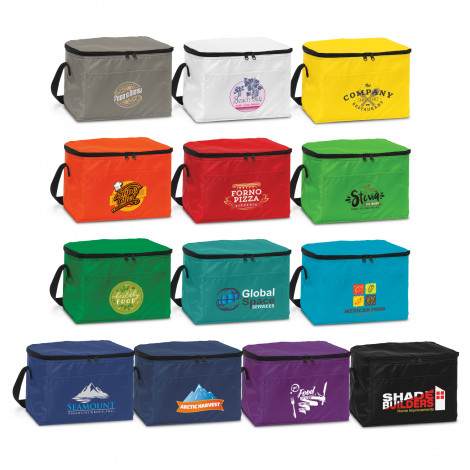
Cooler bags, also known as insulated lunch coolers or thermal totes, feature multi-layer construction with foam insulation, PEVA linings, or aluminum foil barriers to maintain food and drink temperatures for hours.They are ideal for campaigns involving picnics, corporate events, or employee gifts where perishable items like sandwiches or beverages are distributed.
Totes, on the other hand, are simple, unstructured carryalls made from non-woven polypropylene, canvas, or cotton. They prioritize capacity and portability without insulation, making them perfect for dry goods, swag bags, or daily commutes.Promotional totes shine in high-visibility settings like trade shows due to their large printable surfaces.
Both fall under the umbrella of https://bespokemerchandise.com.au, where custom options cater to Australian businesses seeking branded merchandise.
Key Differences: Insulation, Structure, and Durability
The core distinction lies in functionality. Cooler bags provide measurable temperature retention—reliable models with at least 3mm closed-cell foam and zippered closures keep contents cold for 4+ hours, outperforming basic totes which offer no thermal protection.Structured cooler bags hold their shape upright, preventing spills during transport, while soft-sided totes flex around contents for easier packing.
| Feature | Cooler Bags | Totes |
|---|---|---|
| Insulation | Yes (PEVA/foam, 1-8+ hours cold retention) | No |
| Structure | Structured or soft-sided; stands upright | Soft, flexible |
| Weight | Heavier (due to lining) | Lighter |
| Best For | Perishables, events | Dry items, daily use |
| Print Area | Large front panel | Full sides |
Durability varies by material: high-end cooler bags withstand repeated use in outdoor hospitality or sports settings, while totes excel in eco-conscious campaigns with reusable fabrics.For longevity tests, some cooler bags maintain ice for 24 hours, rivaling premium brands without the high cost.
Pros and Cons: When to Choose Each for Promotions
Cooler Bags: Pros and Ideal Scenarios
- Superior temperature control for food safety at conferences or team lunches—essential if your campaign includes drinks or meals.
- Professional "mini-cooler" vibe enhances branding photos and gifting appeal.
- Multiple compartments for organization, suiting shift workers or long events.
- Drawbacks: Bulkier storage when empty; higher cost per unit (e.g., $2.59-$4.71 for wholesale models).
Opt for promotional cooler bags in summer activations or health-focused giveaways.
Totes: Pros and Ideal Scenarios
- Lightweight and pack-flat, perfect for mass distribution at trade shows or retail promotions.
- Versatile for shelf-stable swag like brochures, pens, or notebooks.
- Larger, flatter print areas for bold logos visible at arm's length.
- Drawbacks: No protection for wet/cold items; may sag when overloaded.
Totes suit everyday branding where simplicity drives repeat exposure.
Branding and Customization Tips for Maximum Impact
Effective promo bags turn recipients into walking billboards. For cooler bags, prioritize bold, high-contrast designs on the front panel—avoid micro-text due to seams and curves.Structured models offer stable photo ops, while totes allow wrap-around prints for 360-degree visibility.
Consider eco-options: Insulated bags with recycled materials align with sustainable trends, much like the eco friendly promotional products gaining popularity in Australia. Test insulation claims—thin linings fail after 1-2 hours, so specify foam-core builds.
Size matters: Standard cooler bags measure 13" x 15" x 10", fitting 12-20 cans, while totes handle bulkier loads. Match to your contents—coolers for 6-packs, totes for laptops or folders.
Real-World Use Cases for Your Campaign
Corporate Events: Cooler bags for catered lunches keep salads fresh during all-day conferences.
Trade Shows: Totes for swag overload, easy to carry home.
Employee Wellness: Insulated coolers encourage healthy packed meals, boosting 49% of adults bringing lunch to work.
Outdoor/Sports: Structured coolers for picnics or team sports, with drawstring options for quick access.
For potlucks or grocery runs, compare wholesale insulated models side-by-side to balance budget and performance.
Cost Comparison and Sourcing in Australia
Wholesale pricing favors totes at lower entry points, but coolers deliver higher perceived value. Expect $2-5 per unit for both, scaling with customization. Australian suppliers like Bespoke Merchandise offer bespoke options in drinkware-adjacent categories, ensuring quick turnaround.
| Type | Avg. Price (Wholesale) | Capacity |
|---|---|---|
| Basic Tote | $1.50-$3 | 10-15L |
| Insulated Cooler | $2.59-$4.71 | 20-30L |
Making the Right Choice: A Quick Decision Guide
Choose cooler bags if 4+ apply: perishables involved, upright stability needed, event-based gifting, or premium feel desired. Go for totes for lightweight daily use, dry contents, or budget constraints.
Ultimately, align with your campaign goals—both amplify promotional products ROI through repeated use and visibility. Contact specialists for samples to test fit.


Comments
Post a Comment