Step-by-Step Guide to Designing Your Own Promotional Products
Step-by-Step Guide to Designing Your Own Promotional Products
Designing promotional products might seem like a daunting task, but with the right approach and clear methodology, you can create branded merchandise that resonates with your audience and strengthens your brand identity. Whether you're ordering for a corporate event, conference, or customer appreciation campaign, understanding the design process is essential to ensure your promotional products deliver maximum impact.
This comprehensive guide will walk you through each stage of designing your own promotional products, from initial concept to final production.
Step 1: Define Your Campaign Goals and Target Audience
Before you put pen to paper—or stylus to screen—you need clarity on what you're trying to achieve. Are you launching a new product? Building brand awareness at a trade show? Rewarding customer loyalty? Your goals will directly influence every design decision that follows.
Next, consider your target audience meticulously. Who will be using or receiving these promotional products? Understanding their demographics, preferences, and lifestyle choices is crucial. A tech-savvy startup audience will respond differently to merchandise compared to a corporate audience attending a formal conference. Your design must align with who will actually use and appreciate your branded items.
Ask yourself these critical questions:
- What problem does my promotional product solve for the recipient?
- How will the recipient interact with this product daily?
- What impression do I want them to have when they see my branding?
- How does this product align with my brand values?
Step 2: Select the Right Product Category
The product you choose is just as important as the design itself. Your selection should balance practicality, relevance, and brand alignment. Common promotional product categories include drinkware, writing instruments, apparel, tech accessories, and lifestyle items.
Consider whether your audience would benefit from functional everyday items like promotional cooler bags, or if they'd prefer desk accessories and writing instruments. If sustainability matters to your brand, explore eco friendly promotional products that demonstrate your commitment to environmental responsibility.
When selecting a product category, think about longevity. The best promotional products are those that remain useful for months or even years, providing extended brand visibility. A high-quality drinkware item or insulated bag offers far more touchpoints than a single-use item.
Step 3: Establish Your Design Brief and Brand Guidelines
A design brief serves as your roadmap. It should include your brand colours, logo specifications, font preferences, and any messaging you want to incorporate. This document becomes invaluable when working with designers or production teams, ensuring consistency across all marketing materials.
Your design brief should address:
- Brand colours: Which colours best represent your brand? Consider how they'll appear on your chosen product material.
- Logo placement: Where should your logo appear? Front, back, or wraparound?
- Typography: What fonts align with your brand personality?
- Additional messaging: Will you include a tagline, QR code, or contact information?
- Design style: Modern and minimalist? Bold and playful? Professional and traditional?
Consistency in branding across promotional products strengthens brand recognition and creates a professional appearance. This becomes particularly important when distributing merchandise at corporate events or conferences, where your products represent your organisation's values and attention to detail.
Step 4: Consider Material and Production Constraints
Different products have different production capabilities. A ceramic mug offers excellent branding real estate and vibrant colour reproduction, while a pen has more limited space. Understanding these constraints before finalizing your design prevents costly revisions.
Research how your chosen product can be decorated:
- Screen printing: Ideal for large, solid-colour designs on apparel and bags. Cost-effective for high volumes.
- Direct-to-garment printing: Allows photographic or highly detailed designs on fabric items.
- Embroidery: Perfect for premium apparel pieces; adds texture and sophistication.
- Engraving: Suits metal and wooden products; creates a permanent, elegant finish.
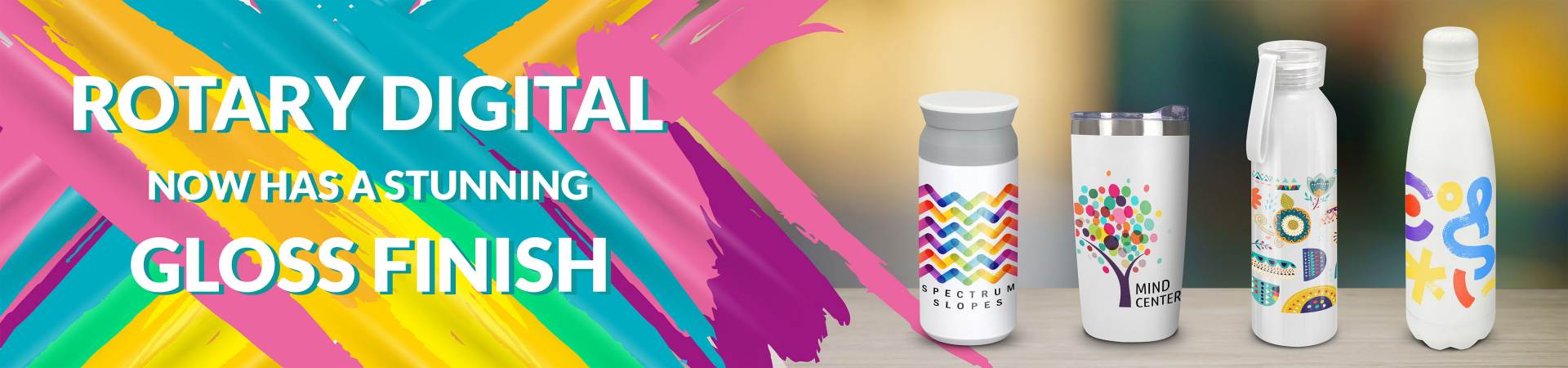
- Digital printing: Enables full-colour designs on ceramics and promotional products with curved surfaces.
- Heat transfer: Versatile for various materials; ideal for small to medium production runs.
Each production method has minimum order quantities, lead times, and cost implications. Discuss these factors with your supplier to ensure your design vision is achievable within your budget and timeline.
Step 5: Create Multiple Design Concepts
Resist the temptation to settle on a single design immediately. Develop 2-3 distinct concepts that explore different approaches to your branding challenge. One might be bold and eye-catching, another minimalist, and a third might incorporate unique brand elements or illustrations.
When creating concepts, remember that promotional products are three-dimensional. What looks great on a flat mockup might appear cramped or distorted when applied to a mug's curved surface or a pen's cylindrical shape. Request physical samples or realistic 3D mockups from your designer or supplier to visualize the final product accurately.
Avoid these common design pitfalls:
- Making logos too small—they must remain visible and recognizable from a distance
- Using too many colours—this increases production costs and can overwhelm the design
- Incorporating trendy elements that will feel dated quickly
- Ignoring the product's functional use—designs should complement, not compromise, usability
Step 6: Gather Feedback and Refine Your Design
Share your concepts with key stakeholders within your organization. Get input from marketing, sales, and customer-facing teams who understand your audience. External feedback from a small sample of your target demographic can also prove invaluable.
Use specific feedback prompts rather than vague questions. Instead of "What do you think?" ask "Would you use this product regularly?" or "Does this design clearly communicate what our brand stands for?"
Be prepared to iterate. The refining process might involve adjusting colour proportions, resizing elements, or repositioning your branding. Each revision brings you closer to a design that truly represents your brand and appeals to your intended recipients. As you navigate the production process, understanding common errors when ordering promotional products will help you avoid costly mistakes during the final production stages.
Step 7: Finalize Technical Specifications
Once you've settled on your design, you'll need to provide technical specifications to your production partner. This includes:
- High-resolution artwork files (typically 300 DPI for print quality)
- Colour specifications (Pantone for printing, RGB for digital displays, CMYK for offset printing)
- File format requirements (.AI, .PDF, or .EPS for vector graphics)
- Trim and bleed specifications
- Production method confirmation
- Quantity requirements and delivery timeline
Working with a reputable supplier like https://bespokemerchandise.com.au ensures your technical requirements are properly managed and your final products meet professional standards.
Step 8: Request Samples and Quality Check
Before committing to a full production run, always request production samples. Examine them carefully under natural and artificial lighting, checking for colour accuracy, printing quality, and durability. If you're producing apparel, test the fit and comfort. For drinkware, verify that the design doesn't interfere with functionality.
Quality control at this stage prevents expensive bulk order issues. A small investment in samples now saves significant costs and reputational damage later.
Step 9: Plan Your Distribution Strategy
The design process doesn't end with production. Consider how you'll distribute and present your promotional products. Will they be packaged in branded boxes? Given away at events? Mailed to customers? Your distribution method influences packaging design and presentation strategy, which should reinforce your brand experience.
Conclusion
Designing your own promotional products is a process that rewards careful planning and strategic thinking. By following these nine steps—from defining clear goals and selecting appropriate products to finalizing technical specifications and quality checking—you'll create branded merchandise that genuinely connects with your audience.
Whether you're exploring unique items like promotional cooler bags or sustainable options through eco friendly promotional products, the design fundamentals remain constant: clarity of purpose, audience understanding, and unwavering attention to quality.
Take your time with each phase, collaborate with experienced suppliers, and remember that promotional products are extensions of your brand. When executed thoughtfully, they become valued items that keep your brand top-of-mind for months or years to come.


Comments
Post a Comment